Xiaodong (Will) An

Hi, I am a Ph.D. student in Physics at the Georgia Institute of Technology, advised by Prof. Flavio H. Fenton in the Chaos Lab, where I am also finishing an M.S. in Computational Science and Engineering (both expected Dec 2027). Before Georgia Tech I received my B.S. in Physics from The Hong Kong Polytechnic University in 2022, where I worked with Prof. Chi-Hang Lam on glassy dynamics.
My research interests include evaluation and LLM-as-a-judge, agentic systems and tool use, and AI for science.
I am currently building SciAgent Bench, a benchmark for agentic AI in scientific discovery with Scale AI and Georgia Tech, and working on RLVR post-training for PDE solver code synthesis.
publications
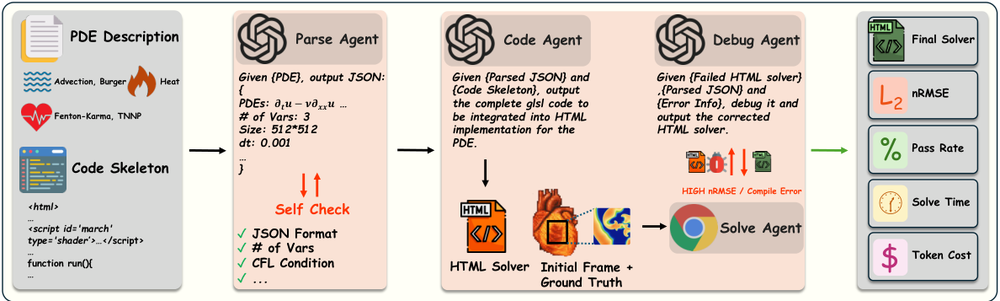
WEB-PDE-LLM: A Multi-Agent Framework for Automated Real-Time Web-Based GPU PDE Solving
Under review, NeurIPS 2026 Sim2Science Workshop
Agents turn a plain text PDE description into a WebGL solver that runs on the GPU in the browser. They check the CFL condition before running, then repair the solver from its own error output.
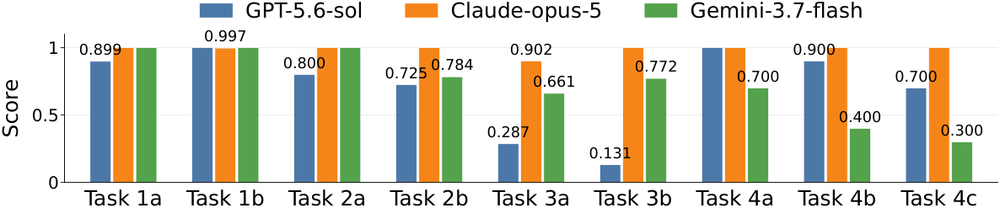
Under review, NeurIPS 2026 JUDGe Workshop
We build time series whose complexity and chaoticity are known by construction, then ask LLM judges to score them. The judges agree with each other more than with the quantity they were asked to measure.
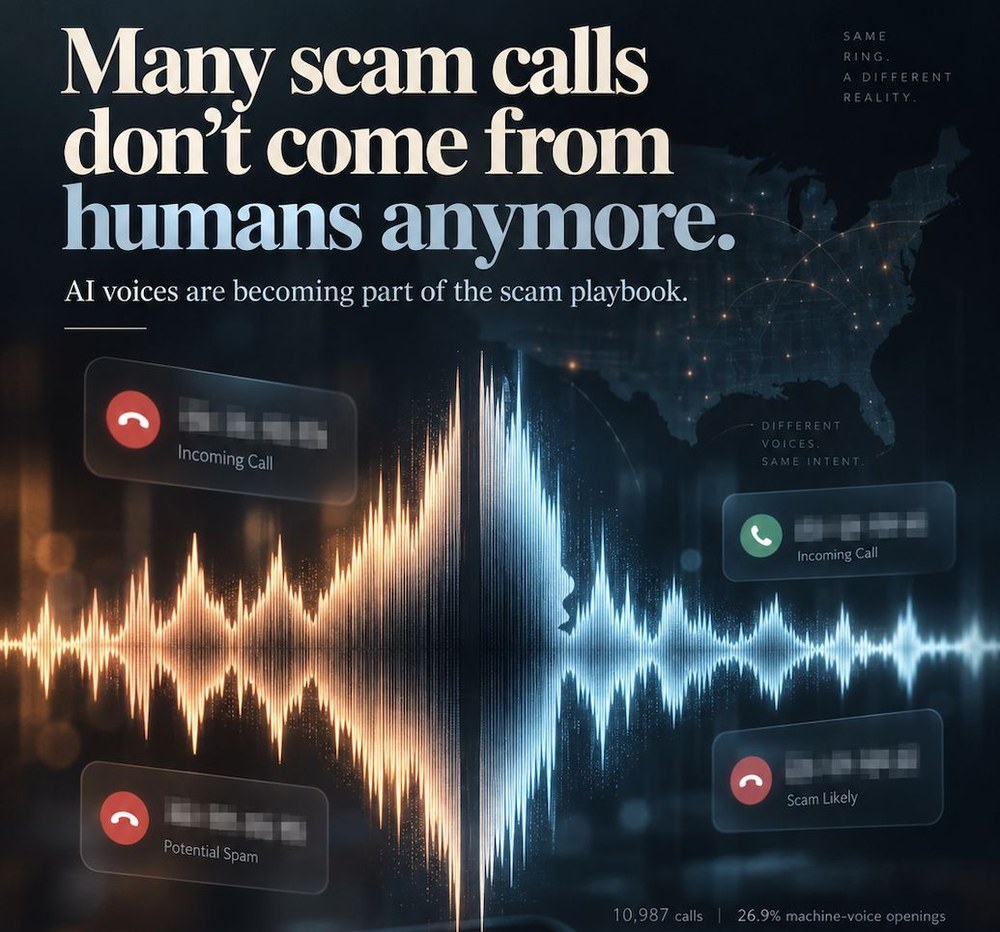
The Machines Are Calling: Measuring Automated and Synthetic Voices in Unwanted Inbound Calls
arXiv:2609.11137, 2026
A language model honeypot answered unwanted calls to real U.S. phone numbers for 66 days. Across 7,233 calls, audio fingerprinting and synthetic speech detection put machine voiced openings at 26.9% or more, and the synthetic voices cluster in lead generation spam rather than outright fraud.
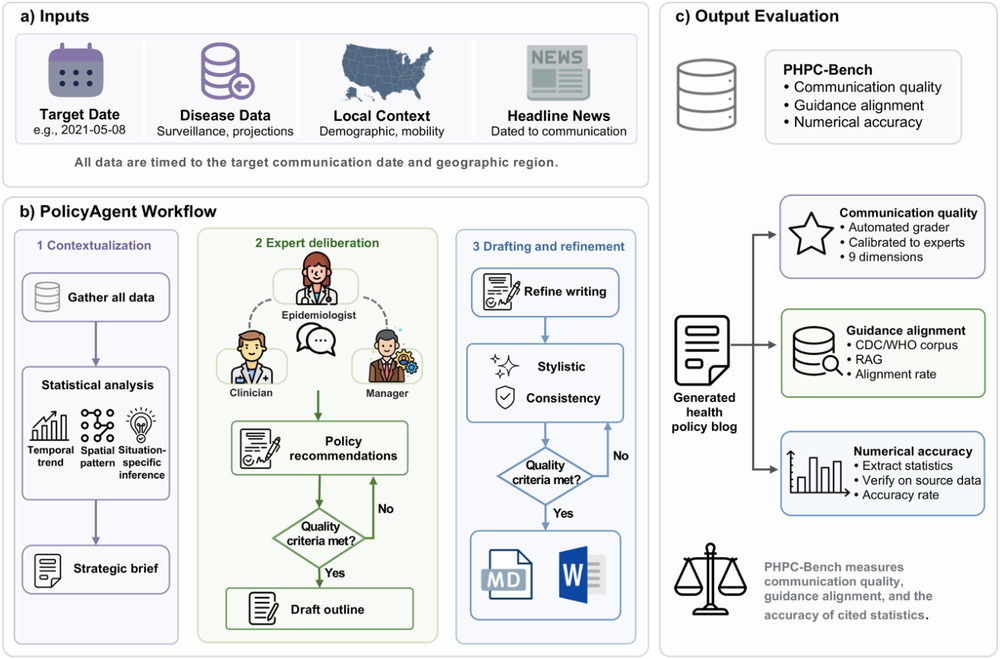
An Agentic Framework for Auditable Public Health Policy Communication
Under review, Nature Health
Epidemiologist, clinician, and manager agents draft a public health message from surveillance and projection data. PHPC-Bench then checks the writing, its agreement with CDC and WHO guidance, and whether every number cited matches the source data.
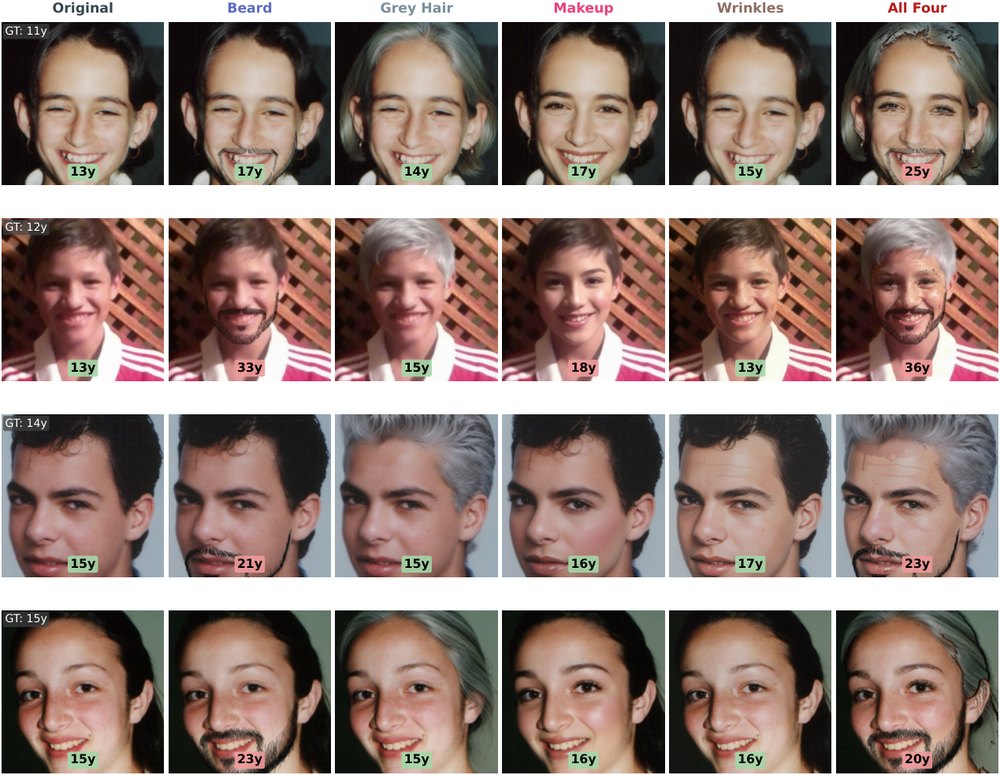
Can a Teenager Fool an AI? Evaluating Low-Cost Cosmetic Attacks on Age Estimation Systems
arXiv:2602.19539, 2026
A beard, grey hair, makeup, or wrinkles added in an ordinary photo editor, with no access to the model, push face based age estimators over the adult threshold for minors. We measure the age shift per attack on 329 subjects.
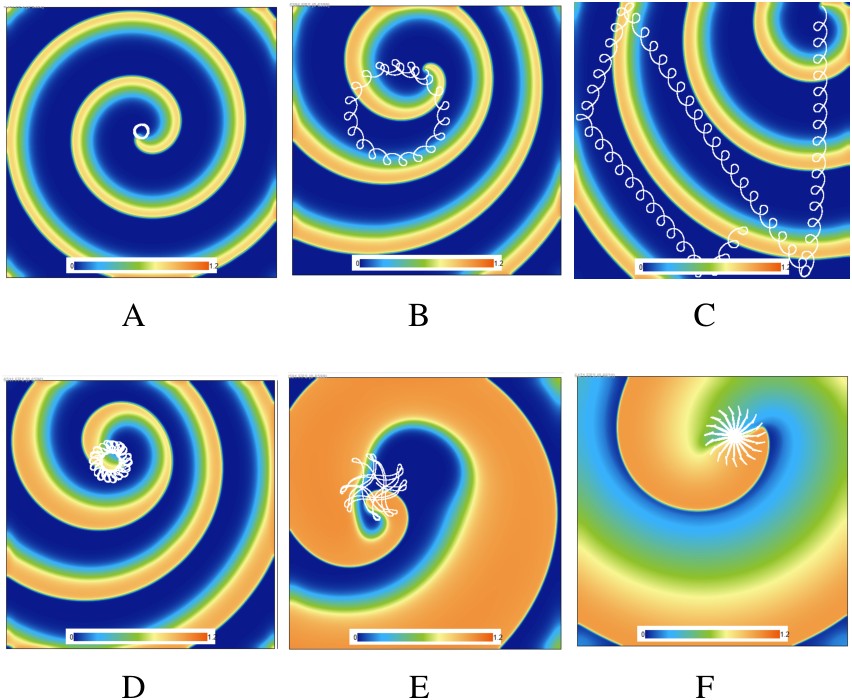
arXiv:2508.14303, 2025
Temporal and spatiotemporal Lyapunov exponents for spiral wave dynamics in cardiac ionic models, from circular cores through meander to hypermeander, as excitability and sodium conductance are varied.
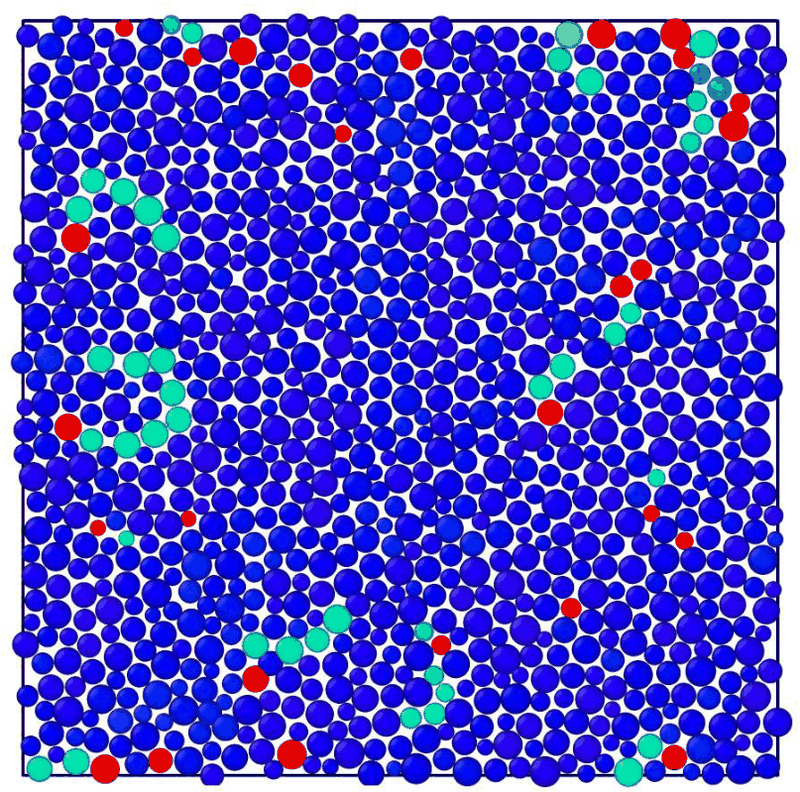
Diffusion-Coefficient Power Laws and Defect-Driven Glassy Dynamics in Swap Acceleration
Physical Review Letters 129, 168002 (2022)
Only a fraction of the particles is allowed to swap. The diffusion coefficients then follow power laws in that fraction, with exponents that depend on temperature, and the regular particles show ordinary glassy behaviour driven by a sparse set of swapping defects.